

Buying Property in Hikkaduwa: A 2026 Guide to Sri Lanka's Surf and Turtle Coast
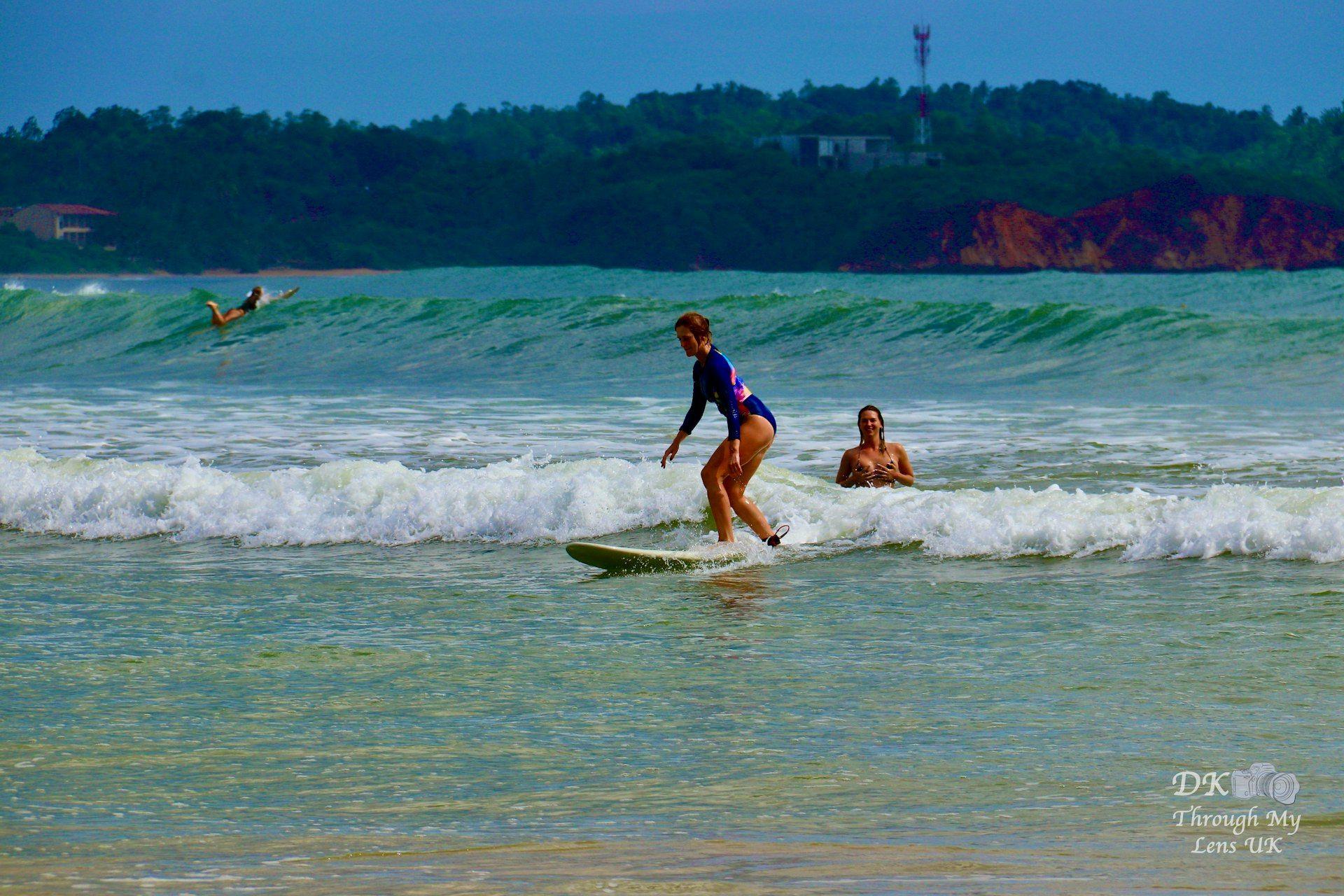
Hikkaduwa has long punched above its weight for a town of its size. It's the south coast's best-known surf break, home to one of Sri Lanka's oldest marine protected areas, and — thanks to the turtle hatcheries dotted along the main coast road — one of the few places in the country where seeing a sea turtle is close to guaranteed rather than a matter of luck. That mix of surf tourism, marine conservation, and a steady flow of long-stay visitors has made Hikkaduwa one of the more active south coast markets for buyers looking at a holiday home, a guesthouse, or a straightforward rental investment.
What Kind of Buyer Hikkaduwa Suits
Hikkaduwa works best for buyers who want a property that can earn its keep. Unlike quieter south coast towns such as Tangalle, Hikkaduwa has year-round tourist footfall built around surfing, diving and snorkelling on the reef, and the turtle hatcheries that line the coastal strip — so a well-located guesthouse or small villa here has a more reliable booking calendar than most of the coast. It suits buyers comfortable with a busier, more commercial beach town rather than those chasing total seclusion.
The Property Mix
Property here splits fairly cleanly into three categories: older beachfront houses and shophouses along the Galle Road strip, newer villas and small guesthouse developments set back a street or two from the beach, and inland land away from the coast road that trades at a fraction of beachfront prices. Genuinely beachfront plots are limited and command a real premium — Hikkaduwa's developable coastline is narrow, and much of the prime strip is already built out with hotels, guesthouses and restaurants.
Due Diligence Specific to a Coastal Town Like This
Any coastal property in Sri Lanka sits under the Coast Conservation Act, administered by the Coast Conservation and Coastal Resource Management Department (CC&CRMD), which can restrict or require approval for construction within a defined distance of the shoreline. Last updated: November 2026. Setback distances and permitted uses are assessed per parcel and have been reviewed and adjusted before, so don't rely on a figure you've heard secondhand — confirm a specific property's setback status directly with the CC&CRMD and with a conveyancing lawyer before committing. Beyond the setback question, check the usual fundamentals: verify the title and land deeds through a proper search, and ask specifically about erosion history and any flood or storm-surge events on the parcel, since coastal exposure varies block by block even within Hikkaduwa.
How Hikkaduwa Compares to Nearby Towns
Hikkaduwa is busier and more built-up than Mirissa or Tangalle further down the coast, both of which suit buyers prioritising quiet over footfall. What Hikkaduwa offers in exchange is a more established tourism infrastructure and a shorter drive from Colombo and Galle, which matters if you're planning to manage the property yourself rather than through a full-time local manager.
Rental Income Potential
Hikkaduwa's rental case rests on consistency rather than peak-season spikes. The surf and dive season runs roughly from November through April, but the reef, the turtle-watching boat trips, and the town's restaurant strip keep some visitor traffic through the shoulder months too, which smooths out the income curve compared with towns that depend almost entirely on a short high season. As with anywhere on the coast, run your own numbers rather than taking an agent's projected yield at face value — our rental yield guide walks through how to calculate it properly, and our short-term holiday lets guide covers the operational side of running a licensed holiday let.
Getting Started
If Hikkaduwa fits what you're looking for, the next steps are the same ones we'd recommend for any south coast purchase: get the coastal zoning position confirmed in writing, have the title properly searched, and understand whether you're buying as an individual, through a company, or as part of a structure suited to foreign ownership rules if you're not a Sri Lankan citizen. Browse our wider buying guide for the fundamentals, or get in touch and we can talk through what's realistic for your budget on this stretch of coast.
Frequently Asked Questions
Can foreigners buy property in Hikkaduwa? Direct freehold land ownership by foreign nationals is restricted under Sri Lankan law in Hikkaduwa exactly as elsewhere in the country. Most overseas buyers explore a company structure, a condominium purchase (which carries different rules), or a long-term lease — speak to a local lawyer about which fits your situation.
Is beachfront land in Hikkaduwa subject to building restrictions? Often, yes. Property close to the shoreline falls under the Coast Conservation Act, and construction or redevelopment may need approval from the Coast Conservation and Coastal Resource Management Department. Always verify a specific parcel's status before buying.
How does Hikkaduwa compare to Mirissa or Tangalle for buyers? Hikkaduwa is more developed and commercial, with steadier year-round visitor traffic tied to surfing, diving and turtle watching. Mirissa and Tangalle are quieter and less built-up, which suits buyers who want seclusion over footfall but generally means a more seasonal income pattern.
What should I check before buying a guesthouse in Hikkaduwa? Beyond the standard title search, check the coastal setback status, any history of erosion or flooding on the specific plot, existing tourism licensing if the business is already operating, and realistic occupancy data rather than an agent's optimistic projection.
Is Hikkaduwa a good rental investment? It can be, particularly for a well-located property that can trade on the town's surf, diving and turtle-watching draw. The season runs roughly November to April with some shoulder-season traffic, so model your numbers conservatively and verify any yield claims independently before buying.
Property guides
Frequently Asked Questions
We've answered some of the most common questions related to this article.
Direct freehold land ownership by foreign nationals is restricted under Sri Lankan law in Hikkaduwa exactly as elsewhere in the country. Most overseas buyers explore a company structure, a condominium purchase (which carries different rules), or a long-term lease - speak to a local lawyer about which fits your situation.
Often, yes. Property close to the shoreline falls under the Coast Conservation Act, and construction or redevelopment may need approval from the Coast Conservation and Coastal Resource Management Department. Always verify a specific parcel's status before buying.
Hikkaduwa is more developed and commercial, with steadier year-round visitor traffic tied to surfing, diving and turtle watching. Mirissa and Tangalle are quieter and less built-up, which suits buyers who want seclusion over footfall but generally means a more seasonal income pattern.
Beyond the standard title search, check the coastal setback status, any history of erosion or flooding on the specific plot, existing tourism licensing if the business is already operating, and realistic occupancy data rather than an agent's optimistic projection.
It can be, particularly for a well-located property that can trade on the town's surf, diving and turtle-watching draw. The season runs roughly November to April with some shoulder-season traffic, so model your numbers conservatively and verify any yield claims independently before buying.